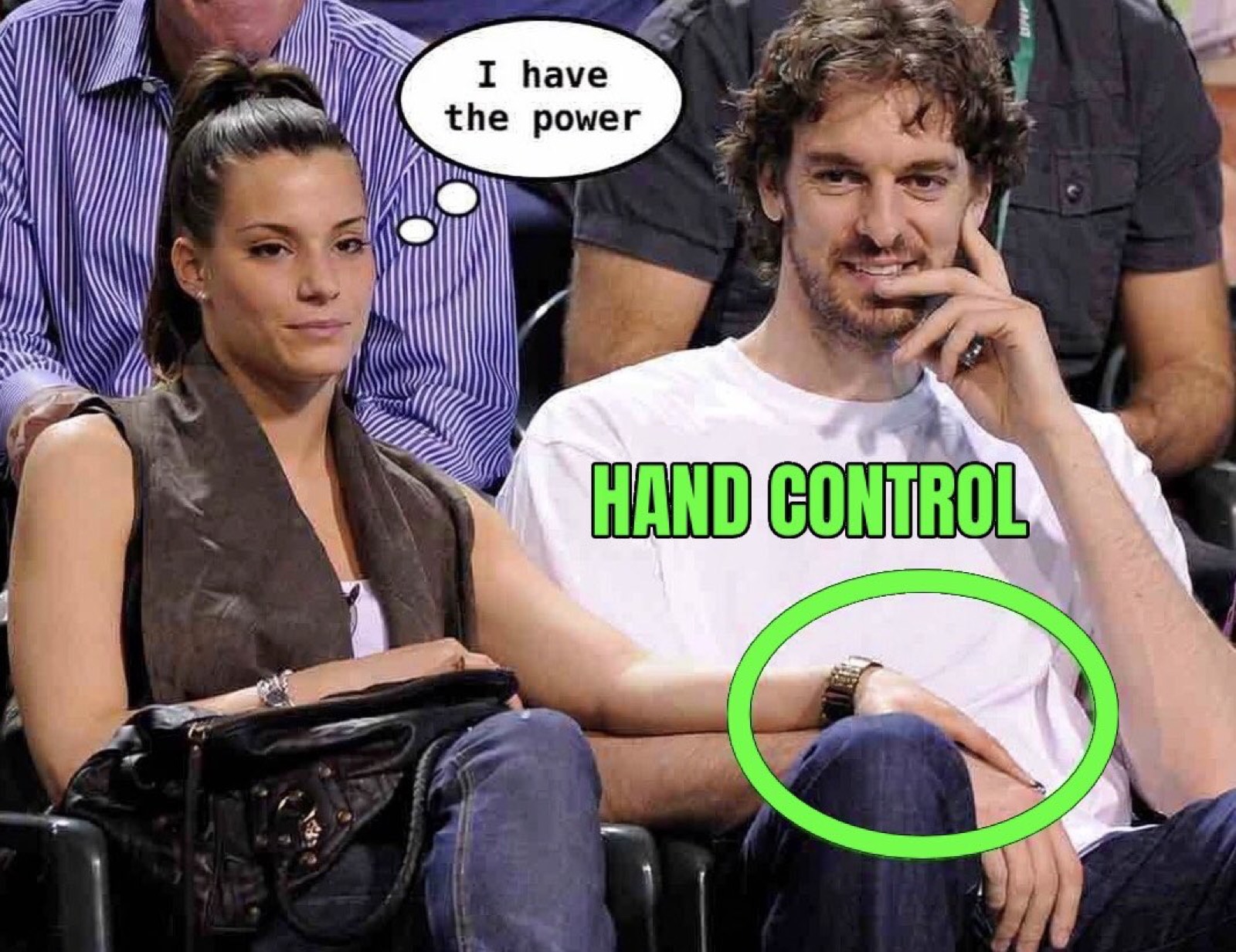
Green Line Test
Guide8 min read

7 Things Body Language Experts Actually Look For in Couple Photos (Not Green Lines)

Forget the Green Line Test — here's what body language experts like Joe Navarro and Dr. Lillian Glass actually analyze in couple photos.

Published March 10, 2026 · Updated April 16, 2026

What Experts Actually Analyze in Couple Photos

The Green Line Test reduces body language to a single metric: who's leaning? But professional body language analysts look at dozens of signals simultaneously. Traci Brown, ranked among the top 3 body language experts globally, notes there are over 50,000 analyzable body language elements. The Green Line Test uses exactly one.

Here's what trained experts actually examine when looking at couple photos.

1. Hand Placement and Touch Points

Where couples touch — and how — reveals more than any spine angle.

What experts look for:
  • Interlocked fingers — active, engaged connection. Both people are choosing to hold on.
  • Palm-to-palm hand holding — less intimate than interlocked fingers, but still connected
  • Hand on lower back — protective gesture, indicates sense of ownership/care
  • Arm around waist — possessive but warm; pulling close indicates desire for proximity
  • Hand on shoulder — can be supportive or distancing depending on how tight the grip is
  • No touch at all — in a couple who could be touching, deliberate distance can signal tension
  • The research: Studies on "haptic communication" in couples show that touch frequency and type correlate strongly with relationship satisfaction. Couples in satisfying relationships touch more frequently and in more varied ways. Why it matters more than lean: Touch is an active choice. Leaning is often unconscious and influenced by physical factors. A couple touching multiple ways while one person "leans" is far healthier than a couple standing ramrod straight with no physical connection.

    2. Eye Contact and Gaze Direction

    The eyes reveal what the body might hide.

    What experts look for:
  • Looking at each other vs. the camera — couples who steal glances at each other are showing genuine attention
  • Triangle gaze pattern — when looking at a partner, the eyes move between both eyes and the mouth. This pattern indicates romantic interest
  • Pupil dilation — pupils expand when looking at someone you find attractive (hard to see in photos, but visible in close-ups)
  • Eye crinkle on smile — the Duchenne smile involves the orbicularis oculi muscle around the eyes. If the eyes aren't crinkling, the smile may not be genuine
  • The research: Dr. Albert Mehrabian found that eye contact is one of the most powerful nonverbal signals of liking and engagement. Sustained mutual gaze between partners is consistently linked to feelings of love and connection.

    3. Foot and Body Orientation

    This one surprises most people: feet are more honest than faces.

    What experts look for:
  • Feet pointing toward each other — unconscious indicator of interest and desire to engage
  • Feet pointing away — may indicate a desire to leave or emotional disconnection
  • Open vs. closed body angle — are torsos facing each other (open) or angled away (closed)?
  • Hip orientation — hips pointed toward someone indicate interest; hips turned away suggest withdrawal
  • The research: Joe Navarro, former FBI agent and body language expert, has written extensively about "foot behavior" as one of the most honest nonverbal signals. Because people rarely think about their feet, foot orientation bypasses conscious control and reveals true feelings. Why it matters more than lean: The Green Line Test looks at the spine from a frontal perspective. Foot orientation requires a side or full-body view but reveals far more about genuine connection.

    4. Mirroring and Postural Synchrony

    When couples unconsciously copy each other's posture, it's a powerful signal.

    What experts look for:
  • Matching postures — same arm positions, similar lean angles, matching head tilts
  • Synchronized gestures — reaching for drinks at the same time, crossing legs simultaneously
  • Breathing synchrony — in video, couples in sync often breathe at the same rate
  • Movement matching — when one shifts weight, the other follows
  • The research: Multiple studies on nonverbal synchrony show that it's correlated with relationship satisfaction, empathy, and emotional attunement. A 2020 meta-analysis found that postural synchrony between partners predicted both self-reported satisfaction and observer-rated relationship quality. The irony: Both partners leaning in — which the Green Line Test labels as "both WEAK" — is actually one of the strongest signs of mirroring and mutual connection.

    5. Genuine vs. Fake Smiles

    Not all smiles are created equal.

    What experts look for:
  • Duchenne smile — involves the zygomatic major (mouth corners up) AND the orbicularis oculi (crow's feet, eye crinkle). This is the genuine smile of true enjoyment.
  • Social smile — only the mouth moves. Common in posed photos, indicates polite engagement but not genuine happiness.
  • Asymmetric smile — one side rises more than the other. Can indicate contempt, sarcasm, or discomfort.
  • Smile timing — genuine smiles build gradually. Fake smiles appear and disappear abruptly.
  • The research: Paul Ekman's Facial Action Coding System (FACS) identified the Duchenne smile as the reliable marker of genuine positive emotion. In couple photos, matching Duchenne smiles are one of the strongest indicators of mutual happiness. Why it matters more than lean: A couple where both people are genuinely smiling but one is "leaning" has a healthier dynamic than a couple standing perfectly straight with polite social smiles.

    6. Proxemics — Personal Space Choices

    How close people stand voluntarily reveals their comfort level.

    What experts look for:
  • Intimate zone (0-18 inches) — reserved for romantic partners, close family. If a couple is this close, they're comfortable with each other.
  • Personal zone (18 inches to 4 feet) — normal conversation distance. Couples who maintain this distance in casual settings may be in the early stages or maintaining boundaries.
  • The "invisible wall" — when two people stand close but their bodies are rigid and non-touching, suggesting proximity without genuine comfort.
  • The research: Edward T. Hall's work on proxemics established that interpersonal distance is culturally influenced but individually meaningful. Couples who naturally stand closer together report higher satisfaction.

    7. Protective Gestures and "Tie Signs"

    Body language researchers call public signals of relationship status "tie signs."

    What experts look for:
  • Arm around shoulder/waist — publicly claiming the relationship
  • Hand on knee/thigh — intimate tie sign showing comfort
  • Guiding touch — hand on small of back while walking, indicating care and direction
  • Body shielding — positioning oneself between partner and a crowd, indicating protection
  • Matching accessories/clothing — coordinated outfits show mutual planning and team identity
  • The research: Sociologist Erving Goffman coined "tie signs" to describe the nonverbal signals that couples use to publicly declare their relationship. The more tie signs present, the more invested both partners are in displaying their connection.

    The Bottom Line

    The Green Line Test reduces human connection to a single axis: lean. Real body language analysis considers dozens of signals simultaneously, observed across multiple moments over time. A "WEAK" green line result with strong eye contact, genuine smiles, frequent touch, and mirroring is infinitely healthier than a "STRONG" result with no touch, social smiles, and feet pointing away.

    If you're curious about your couple body language, try our AI analysis — but remember: the green lines are entertainment. The real story is in the details no single test can capture.

    Try the Green Line Test →

    Try the Green Line Test Now

    Upload a couple photo and get instant AI-powered results.

    Analyze Your Photo