
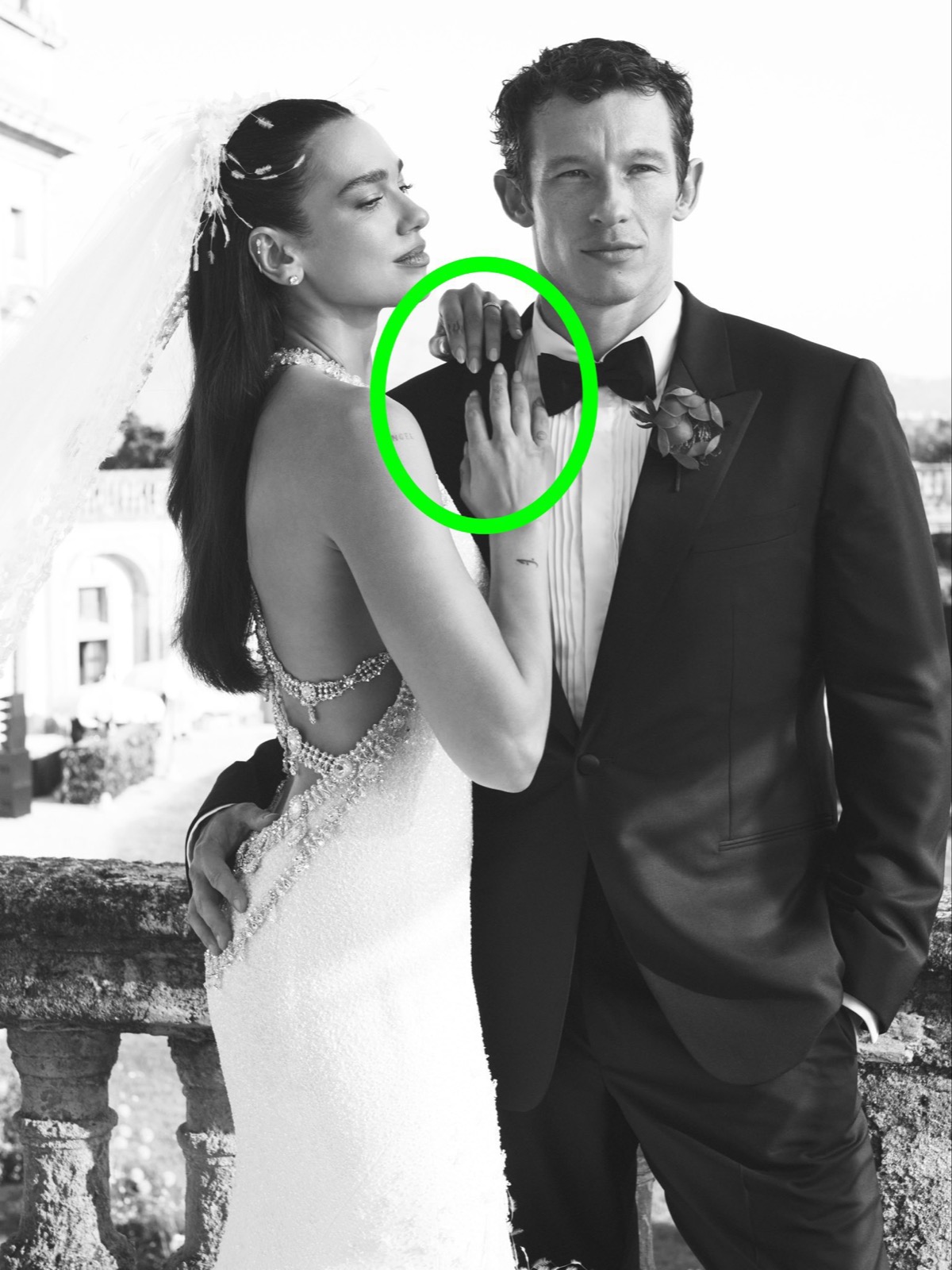
What Is Clawing Theory?
If you have spent any time down the couple-photo rabbit hole, you have probably met the green line test — the trend where people draw a line down each partner's spine to see who is leaning. But there is a lesser-known sibling that internet analysts love to bring up alongside it: clawing theory.
Clawing theory looks at what people do with their hands in a photo. Specifically, it focuses on a hand placed on a partner's shoulder, chest, or face — often described as a "claw." The claim goes that when one person grips or drapes a hand over the other, it signals possessiveness, insecurity, or a need to mark territory in the frame.
Like the green line, it is fun to spot once you know what to look for. And like the green line, it is not science. If you are new to the whole world of couple-photo analysis, start with what the green line test actually is, then come back for the claw. Below, we break down where clawing theory came from and what it really means.
Where Did Clawing Theory Come From?
Clawing theory grew out of the same corner of the internet as the green line test. It was popularized by Rivelino, the Twitter user who turned couple-photo posture into a viral framework starting in 2020.
Rivelino and his followers did not stop at the spine. As the green line format caught on, a cluster of extra "signals" got layered on top — the lean, the claw, foot direction, who is holding whom. Clawing became one of the most repeated add-ons because it is so easy to see: a hand is either resting gently or grabbing on, and people are quick to read meaning into the difference.
It is worth being honest about the origins. This corner of the internet overlapped with subcultures that framed relationships as a power contest — someone always "winning" and someone "losing." That framing is neither accurate nor kind. A photo is not a scoreboard, and a hand on a shoulder is not a confession. The healthiest way to enjoy clawing theory is the same way you enjoy the green line: as internet folklore, not a diagnosis.
What Counts as a "Claw"?
Fans of the theory tend to sort hand placement into a few loose buckets. Here is the informal breakdown people use — remember, this is entertainment, not a rulebook:
| Hand placement | The folklore reading | The boring, likely truth |
|---|---|---|
| Relaxed hand on shoulder | Affection, "even" energy | Affection |
| Gripping shoulder or chest | Possessiveness, "clawing" | A natural way to pose close together |
| Hand on jaw or face | Marking territory | Playfulness or a cute photo idea |
| Arm around waist | Warmth | Warmth |
Notice how the right-hand column looks a lot alike. That is the point. Most of what clawing theory reads as strategy is just two people who like each other standing close for a camera.
What Do Body-Language Experts Say?
The same experts who pushed back on the green line test are just as skeptical of clawing theory — and for the same reason. A single frozen frame cannot tell you what a relationship feels like from the inside.
- Patti Wood, a body-language specialist, emphasizes that touch usually signals connection and comfort, not control.
- Dr. Lillian Glass has publicly dismissed green-line-style analysis as a reliable diagnostic tool.
- Dr. Albert Mehrabian, famous for research on nonverbal communication, is often misquoted by trend explainers — his work never claimed you can read intent from one posed photo.
The consensus across professionals is consistent: a hand on a shoulder most often means affection. People reach for the person they feel close to. For a fuller look at the science, see our deep dive on what body-language experts say about couple photos and the psychology behind the green line test.
Clawing vs. the Green Line Test
Both trends try to read a relationship from one image, and both hit the same wall: context. A lean can mean someone is shorter, or being sweet, or just comfortable — we cover this in our guide to green line test height differences. A "claw" runs into the exact same problem.
If you enjoy collecting these signals, clawing is just one more entry in a growing list of viral couple tests. We line them up side by side in our roundup of TikTok relationship tests compared, and if you want the honest take on whether any of this actually predicts anything, read does the green line test actually work?
How to Enjoy It Without the Toxic Part
Clawing theory is at its best when it stays light. A few ground rules keep it fun:
- Treat it as a party game, not a verdict on someone's marriage.
- Skip the "winner/loser" framing — affection is not a competition.
- Remember the photographer — poses are directed, and one shot is a fraction of a second.
- Laugh at the memes — people claw-analyze cartoon couples and historical portraits for a reason.
If you find yourself using it to judge a real relationship, that is a sign to put it down. We wrote more on keeping these trends healthy in is the green line test toxic?
Try It Yourself
Want to see how the original signal — the lean — plays out in your own photos? Our AI draws the lines for you in seconds, no ruler required. Upload a couple photo, get your STRONG or WEAK result, and enjoy it for exactly what it is: a fun way to look at pictures.