
Is the Green Line Test Toxic?
Short answer: the theory behind it can be, and it's fair to say so plainly. The game you play with it in the group chat doesn't have to be. Those are two different things, and this post keeps them separate.
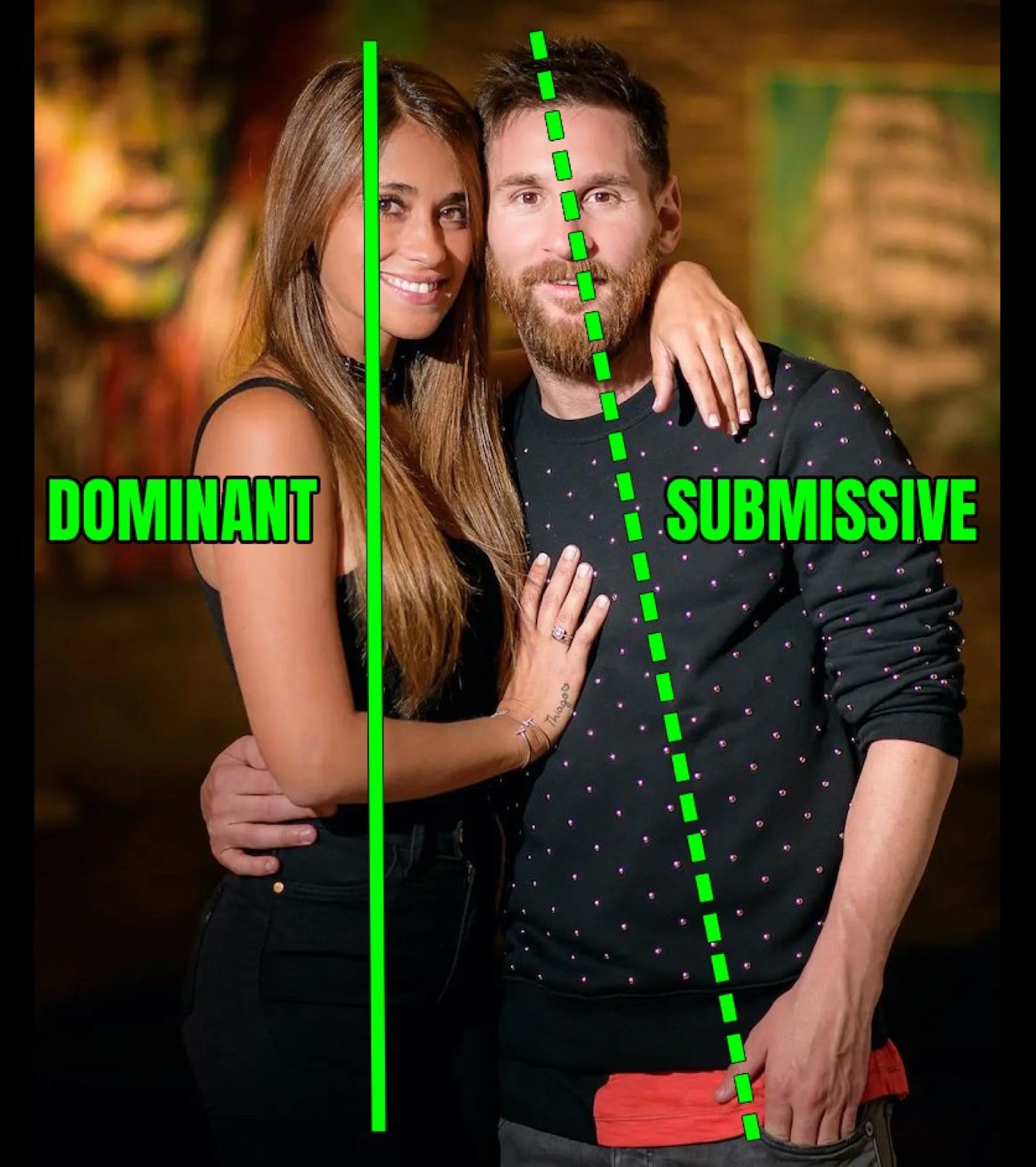
The Green Line Test asks who's leaning in a couple photo, draws a line down each spine, and labels the straighter person "STRONG" and the leaning person "WEAK." Critics argue that the "WEAK" framing carries baggage, and they're not wrong about where a lot of that framing came from. Let's look at the controversy honestly, then talk about how to enjoy the trend without buying into any of it. If you're brand new to all this, start with what the Green Line Test actually is.
Where the "Toxic" Criticism Comes From
The main objection isn't the green lines themselves. It's the story some people attach to them.
The theory spread on Twitter around 2020 and exploded on TikTok in 2022. Along the way, corners of the internet tied it to "alpha male" and red-pill framing — the idea that leaning toward your partner means you're submissive, needy, or "losing" the relationship. Outlets like Dazed and MEL Magazine have pushed back hard, describing that version of the theory as misogynistic pseudoscience: a pseudo-scientific way to rank partners, shame affection, and pretend a single body angle reveals who holds "power."
Those critiques are worth taking seriously. When a fun photo filter gets used to police how much warmth someone is "allowed" to show, that's genuinely not great. We don't endorse that framing, and neither should you. For the full backstory of how the trend spread, see who invented the Green Line Test.
The Part the Theory Gets Backwards
Here's the honest twist: even on its own terms, the "leaning equals weak" claim doesn't hold up.
Body language researchers have studied posture for decades, and the consensus runs the opposite direction. Leaning in usually signals warmth, interest, and comfort, not weakness.
- Patti Wood, a body language expert and author of *SNAP*, describes leaning toward someone as a classic sign of engagement and affection. We literally move toward people we like.
- Dr. Albert Mehrabian, whose foundational research shaped how we understand nonverbal communication, linked forward lean and reduced distance to "immediacy" — the cues that broadcast liking and connection.
- Dr. Lillian Glass, author of *The Body Language of Liars*, has long emphasized that closeness and orientation toward a partner reflect positive feeling, not submission.
So the very thing the toxic version calls "WEAK" is, in most expert readings, a sign of a warm, secure bond. That's a big reason the trend fails as any kind of diagnostic. We dig deeper into the evidence in does the Green Line Test actually work and the psychology and science behind it.
Toxic Framing vs. Harmless Fun
The difference is entirely in how you use it. Same photo, same green lines, totally different vibe.
| Toxic framing | Harmless fun |
|---|---|
| "He leans, so he's whipped and weak" | "Aww, look how into each other they are" |
| Ranks partners by "power" | Ranks nothing; it's a photo gag |
| Treats posture as destiny | Treats posture as a random pose in one frame |
| Uses it to shame affection | Uses it to tease your friends lovingly |
| Claims to be science | Knows it's a party trick |
A real analyst never reads a relationship from one snapshot. Lean depends on height gaps, who's holding the camera, footwear, hip position, and which way someone happened to shift. See how many honest, non-judgmental things pros actually look at in body language experts and couple photos. Spoiler: a single spine angle isn't the headline.
So, Should You Feel Bad Playing It?
Not if you keep it in the spirit of a horoscope or a "which pasta shape are you" quiz. The Green Line Test is entertainment. It is not a compatibility score, a red flag detector, or a verdict on anyone's worth as a partner.
A few ways to keep it firmly on the fun side:
- Drop the "power" language. No one is "STRONG" or "losing." It's a pose in one photo.
- Skip the diagnosis. Don't use it to judge a real relationship, yours or anyone else's.
- Reframe the lean as sweet. Leaning in is affection. That's the whole expert takeaway.
- Play it on celebrities and yourself for laughs, not to grade humans. Try it on your own photos or compare it to other TikTok relationship tests.
The Bottom Line
Is the Green Line Test toxic? The red-pill interpretation — the one that shames leaning and calls it weakness — deserves the criticism it gets from Dazed, MEL, and body language experts alike. It's pseudoscience with a mean streak, and we're happy to leave it behind.
The trend itself, stripped of that framing, is just a playful way to look at a photo. Once you know that leaning in almost always means warmth, the "WEAK" label loses its sting and becomes what it should have been all along: a joke you laugh at, not a label you assign.
Try It Just for Fun
Run a couple photo, giggle at the lines, and send it to the group chat with zero judgment attached. That's the healthy way to play.