
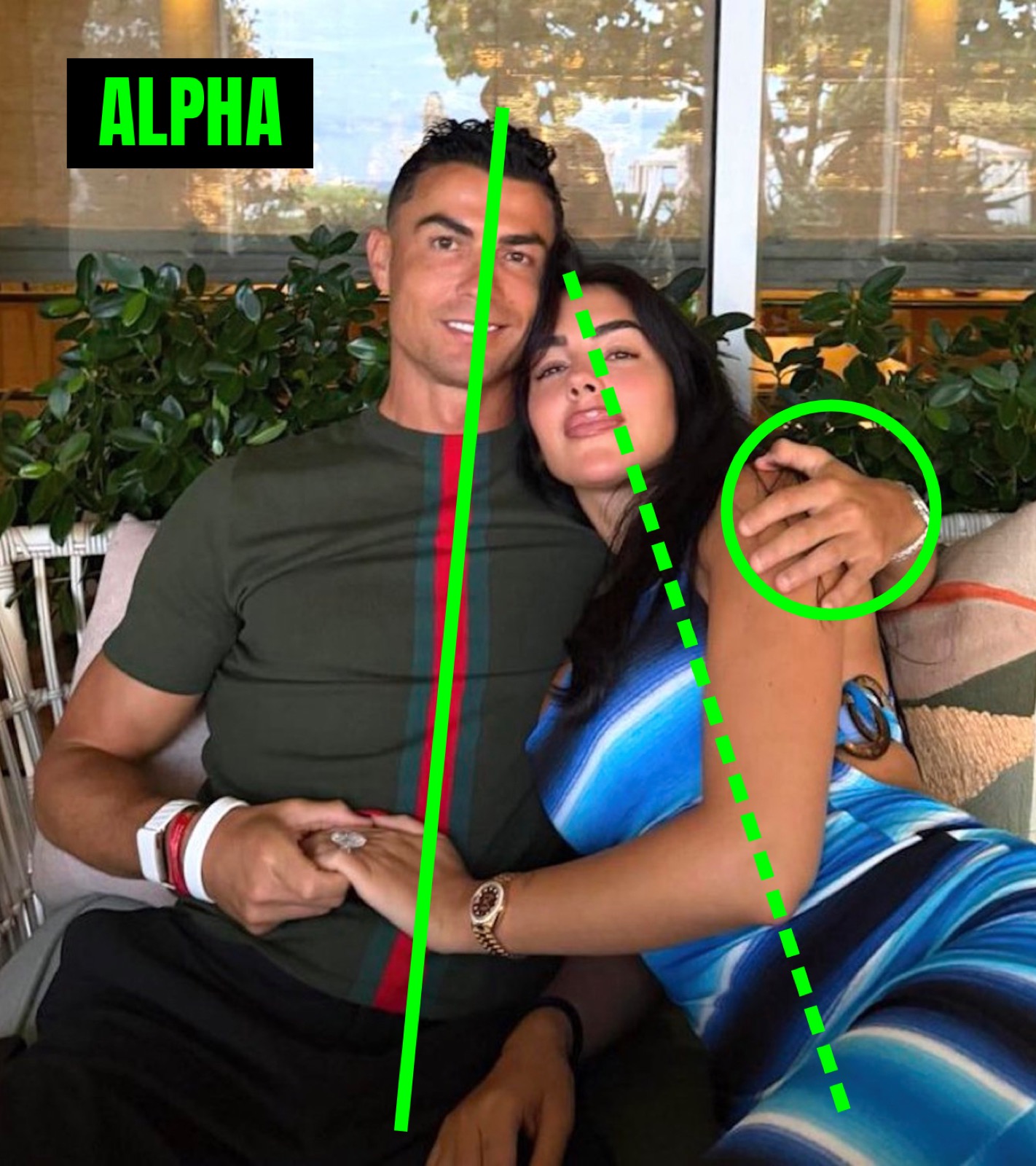
Can You Run the Green Line Test on Sitting Photos?
Short answer: yes. The green line test works on seated and couch photos just fine. But here is the catch that trips most people up. Sitting changes how posture reads. A spine that looks perfectly straight while standing can slouch, twist, or lean the moment someone sinks into a couch cushion. So before you draw a single line, it helps to know what you are actually looking at.
If you are brand new to all this, start with what is the green line test for the basics. This guide assumes you already know the drill: a solid green line marks the person sitting upright, a dashed line marks the one leaning in. Now let us make it work on seated shots.
Why Sitting Photos Behave Differently
When people stand, their spine is a fairly reliable vertical reference. When they sit, everything shifts:
- Couches swallow posture. Soft cushions pull people backward and sideways, so a natural lean can look exaggerated.
- Hips and shoulders separate. Someone can sit hip-to-hip but turn their shoulders toward their partner, which reads as a lean even when their spine is neutral.
- Leg crossing skews the frame. Crossed legs rotate the pelvis and tilt the whole torso, throwing off your vertical read.
- Height differences vanish. Sitting flattens the height gap that shapes so many standing photos. If height is your thing, we cover it in green line test and height difference.
The takeaway: a lean in a sitting photo often says more about the furniture than the relationship.
How to Line Up the Spine When Sitting
Here is the reliable method for drawing the line on a seated photo:
- Find the base of the neck, not the top of the head. Hair and head tilt are noise. The neck-to-tailbone line is your true spine reference.
- Trace to the hips, not the knees. The lower body is doing its own thing when seated. Follow the actual spine down to where the person meets the seat.
- Ignore the arms. An arm draped over a shoulder looks like leaning but is just a comfortable resting position, not a posture tell.
- Check the shoulders last. Turned shoulders with a straight spine is closeness, not weakness.
If you want the full walkthrough for standing and seated shots alike, how to do the green line test breaks down every step.
Common Pitfalls with Seated Couples
| Pitfall | What it looks like | What it actually means |
|---|---|---|
| Cushion lean | One person tilted deep into the couch | The sofa, not the spine |
| Shoulder turn | Torso angled toward partner | Warmth and engagement |
| Both leaning in | Two dashed lines | Mutual closeness, not a contest |
| Cropped hips | You cannot see the seat | Unreadable, get a wider shot |
That "both leaning in" case is the most misread of all. Two people curled toward each other is not a failed test. We dig into it in green line test when both people are leaning.
How the AI Handles Seated Couples
Our AI actually has an easier time with sitting photos than most people do by hand. It maps the spine from neck to hip regardless of what the legs and arms are doing, so it does not get fooled by a draped arm or a crossed knee. It also treats a shoulder turn as engagement rather than a lean. That said, it still needs a clear, uncropped shot where both torsos are visible. Feed it a photo cropped at the waist and even good AI is guessing. For more on running it on personal shots, see the green line test on your own photos.
A Reminder Before You Read Too Much Into It
The green line test is a fun internet game, not a diagnosis. Body-language commentary is clear that leaning toward someone usually signals warmth, interest, and comfort, not weakness or submission. A person who curls into their partner on a couch is often the one who feels safest. There is more on what the pros actually say in what body-language experts think about couple photos.
It is also worth knowing where this came from. The trend has roots in "alpha male" red-pill posturing that framed leaning as a sign of who "has power" in a relationship, a framing that is both unkind and unsupported. We unpack that honestly in is the green line test toxic and in the psychology and science behind it. Enjoy the trend for what it is: a laugh, not a lie detector.
Try It on Your Own Couch Photos
Grab a seated shot where you can see both torsos, upload it, and let the AI line up the spines for you. No head-tilt guesswork, no cushion confusion.
Run the green line test at greenlinetest.app and see how your couch photos score, just remember to keep it fun.